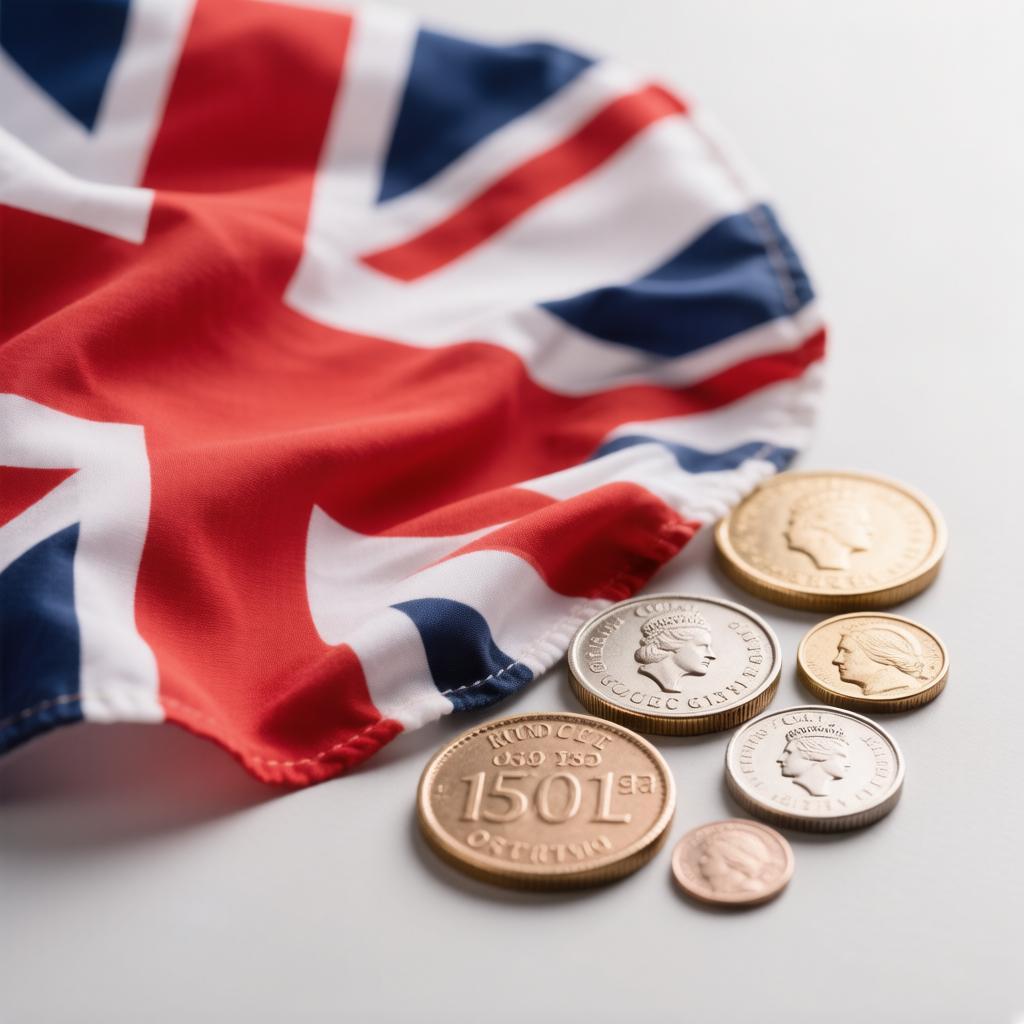
London uses the British pound sterling, usually called the pound. Its international currency code is GBP and its symbol is £. One pound is divided into 100 pence. The same currency is used throughout the United Kingdom, so London does not have a separate city currency.
Current Bank of England notes come in £5, £10, £20 and £50 denominations, while common coins range from 1p to £2. Cards and contactless payments are widely used in London, but pounds are still the local currency for cash payments. Euros and U.S. dollars are not the standard currency and should not be expected to be accepted by ordinary shops and restaurants.
London Currency at a Glance
| Item | Answer |
|---|---|
| Currency | Pound sterling |
| Common name | Pound |
| Currency code | GBP |
| Symbol | £ |
| Subunit | Penny / pence |
| 1 pound | 100 pence |
| Country | United Kingdom |
| Common slang | Quid |
London does not use a separate currency from the rest of the UK.
What Currency Is Used in London?
The currency used in London is the pound sterling.
You may also see it called:
- British pound;
- pound;
- sterling.
Its international currency code is GBP, while the familiar £ sign is the currency symbol.
If something costs £15, that means the price is fifteen pounds.
London uses the same pound sterling as the rest of the United Kingdom. There is no separate London currency.
Is London Currency GBP or Pounds?
Both terms refer to the same currency, but they are used differently.
GBP
GBP is the international three-letter currency code for the pound sterling.
You are likely to see it on:
- bank statements;
- exchange-rate websites;
- travel booking platforms;
- payment systems;
- currency exchange boards.
For example, an exchange rate might be written as GBP/USD.
£
The £ sign is the symbol used when writing prices in pounds.
For example:
- £5;
- £20;
- £100.
Pound
Pound is the ordinary name of the monetary unit.
So:
GBP 20, £20, and twenty pounds all refer to the same amount of British currency.
What Does £ Mean?
The symbol £ means pound sterling.
It is placed before the amount:
- £5 — five pounds;
- £10 — ten pounds;
- £20 — twenty pounds;
- £50 — fifty pounds.
The £ sign should not be confused with GBP.
GBP is the currency code. £ is the currency symbol.
How Many Pence Are in a Pound?
There are 100 pence in one pound.
In other words:
100 pence = £1.
The singular form is penny, while the plural is normally pence when talking about an amount of money.
For example:
- 1p — one penny;
- 2p — two pence;
- 20p — twenty pence;
- 50p — fifty pence.
The abbreviation p is commonly used for pence.
A price of 75p therefore means seventy-five pence, or £0.75.
What Is a Quid?
Quid is an informal British word for a pound.
For example:
“It costs 20 quid.”
means:
“It costs £20.”
Quid is slang rather than an official name for the currency.
The word also normally stays the same in the plural, so people say 20 quid, not 20 quids.
You may hear the term frequently in everyday conversation in London.
What Banknotes Are Used in London?
Current Bank of England banknotes come in four denominations:
- £5;
- £10;
- £20;
- £50.
Modern Bank of England notes are polymer rather than traditional paper notes.
An important point for visitors in 2026 is that you may receive banknotes featuring either King Charles III or Queen Elizabeth II. Both versions remain in circulation.
The introduction of King Charles III banknotes did not immediately make the existing valid Queen Elizabeth II notes unusable.
You can check the designs and current denominations on the Bank of England current banknotes page.
Why Do Some British Banknotes Have Different Monarchs?
Bank of England notes featuring King Charles III entered circulation in 2024.
However, valid banknotes featuring Queen Elizabeth II were not withdrawn simply because the new designs were introduced.
As a result, both portraits can appear on money you receive in London.
There is no need to avoid a valid Bank of England note just because it has Queen Elizabeth II rather than King Charles III on it.
What Coins Are Used in London?
The standard UK coins used in London are:
- 1p;
- 2p;
- 5p;
- 10p;
- 20p;
- 50p;
- £1;
- £2.
These are the eight main circulating denominations.
The Royal Mint’s UK currency information provides official information about British circulating coins.
UK Coins Used in London
| Coin | Value |
|---|---|
| 1p | One penny |
| 2p | Two pence |
| 5p | Five pence |
| 10p | Ten pence |
| 20p | Twenty pence |
| 50p | Fifty pence |
| £1 | One pound |
| £2 | Two pounds |
Coins below £1 are normally described in pence, while the £1 and £2 coins are described in pounds.
Can You Use Euros in London?
Do not rely on euros when paying in London.
The United Kingdom is not part of the euro currency area, and the local currency is the pound sterling.
A small number of tourist-oriented businesses, hotels, or specialist shops may voluntarily accept euros, but ordinary businesses are not required to do so.
Even where euros are accepted, the exchange rate offered may not be favorable, and change may be returned in pounds.
For everyday purchases, it is better to use pounds or a supported payment card.
Can You Use U.S. Dollars in London?
U.S. dollars are not the normal currency used in London.
Shops, cafés, restaurants, and other everyday businesses generally expect payment in pounds or by card.
A tourist-focused business may occasionally accept foreign currency, but visitors should not plan around that possibility.
If you want to carry cash in London, pounds sterling are the practical choice.
Do You Need Cash in London?
London is highly card- and contactless-friendly.
In many places you can pay with:
- debit cards;
- credit cards;
- contactless cards;
- Apple Pay;
- Google Pay, where supported.
That does not mean cash has disappeared.
Some businesses still accept cash, while others may operate on a card-only basis.
Because payment policies vary, there is no rule that every London business must accept cash or that every business is cashless.
For most visitors, a payment card can cover a large share of everyday spending, with some pounds in cash available if needed.
What Money Do You Need for the London Underground?
You usually do not need to buy individual Underground journeys using cash.
Common ways to pay for London public transport include:
- a contactless payment card;
- an Oyster card;
- other supported payment methods.
Transport for London has its own payment rules and fare system, so choosing the best way to pay for travel is a separate topic from identifying London’s currency.
The important point is that London transport operates in pounds, not euros or U.S. dollars.
Should You Exchange Money Before Going to London?
If you want to carry cash, the currency you need is pounds sterling.
Whether it is better to obtain pounds before traveling, use an ATM, visit a bank, or exchange money after arrival depends on the fees and exchange rates available to you.
There is no single method that is always cheapest for every traveler.
Before exchanging money, check:
- your bank’s foreign transaction fees;
- ATM charges;
- exchange-office fees;
- the actual exchange rate being offered.
Is the Pound Used Outside London?
Yes.
Pound sterling is used throughout the United Kingdom, including:
- England;
- Scotland;
- Wales;
- Northern Ireland.
So if you travel from London to another part of the UK, you are still using pounds sterling.
In Scotland and Northern Ireland you may encounter banknotes issued by authorized banks other than the Bank of England, but the underlying currency is still pound sterling.
Is the British Pound the Same as the Euro?
No.
They are two different currencies.
- Pound sterling: GBP
- Euro: EUR
The United Kingdom uses the pound sterling as its currency, not the euro.
If a London price is shown as £25, it means 25 pounds, not 25 euros.
London uses the pound sterling, the same currency used throughout the United Kingdom. Its international code is GBP and its symbol is £, with 100 pence in one pound. Current Bank of England notes come in £5, £10, £20 and £50 denominations, and both King Charles III and Queen Elizabeth II notes remain in circulation. Cards and contactless payments are widely used across London, but if you carry cash, it should be in pounds rather than euros or U.S. dollars.