Apt inspection: The Modern Renter’s Playbook for 2026
Let’s be honest, signing a lease used to feel like a gamble. You hand over a stack of cash, cross your fingers, and hope the plumbing actually works. But the rental game has shifted. Property managers now run tight ships, and understanding an apt inspection is the only way to protect your wallet and your sanity. I’ve been navigating the rental market for over a decade, and the rules have completely flipped. If you’re tired of surprise maitenance fees or losing your security deposit over scratches you didn’t make, this breakdown will save you hours of headache.
What is a maintenance inspection apartment in practical terms
People throw this phrase around like it’s just another landlord chore, but it’s actually a structured compliance check. Think of it as a health diagnostic for your living space. The term refers to scheduled visits by property staff to verify that HVAC filters, smoke detectors, water lines, and structural elements meet local housing standards. It sounds technical because it is. Most renters assume these visits are just excuses to snoop, but they’re actually designed to catch minor leaks before they flood the building. The complexity comes from the legal layer: every state has its own notice period, access rights, and documentation requirements. Miss a deadline, and you might face breach of contract clauses that drain your account.
“Preventative checks reduce emergency callouts by nearly forty percent, which keeps rent stable and avoids surprise repair surcharges.”
I’ve seen too many folks panic when the notice lands in their mailbox. Don’t. Treat it like a routine car service. You prep the area, clear the clutter, and let the pros do their job. It’s not personal, and it’s rarely a stress test unless you’ve been ignoring a dripping faucet for three months.
What happens during an apartment inspection step by step
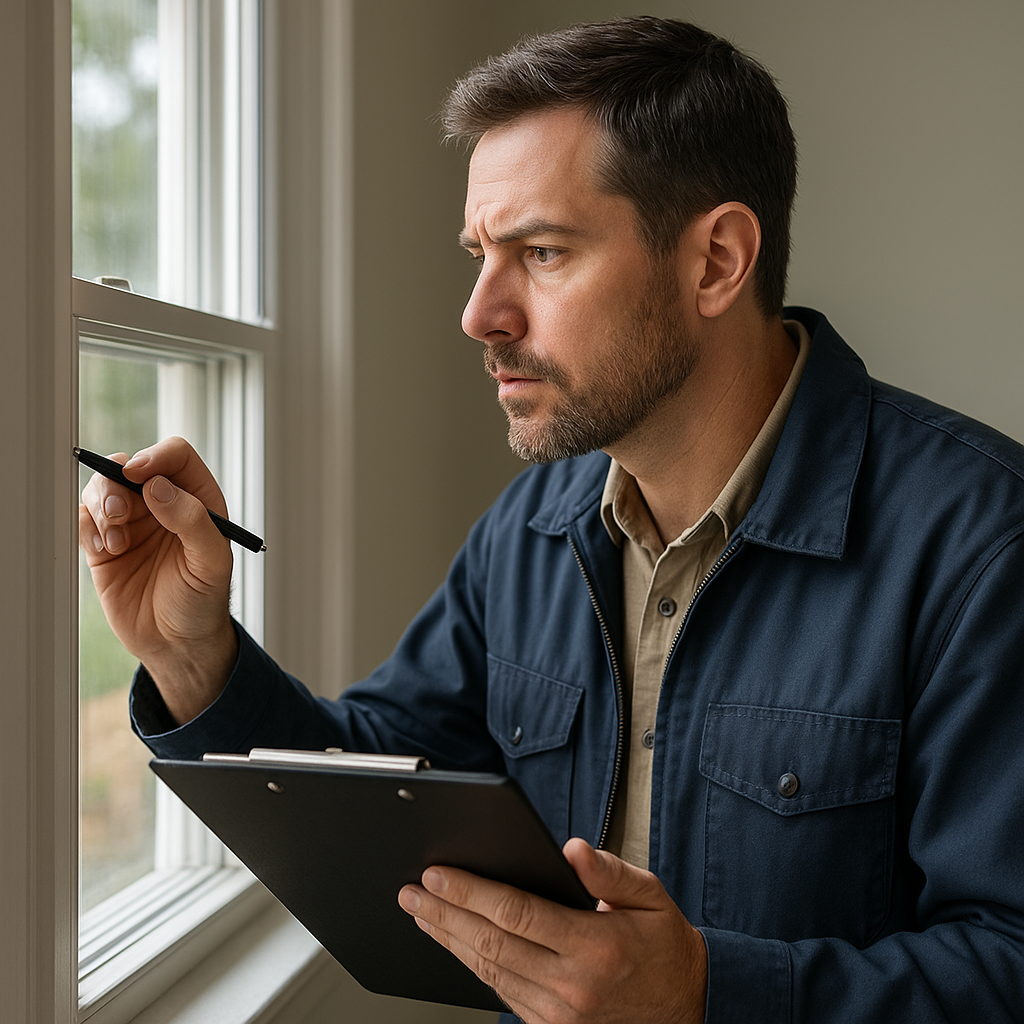
The actual walkthrough follows a predictable pattern, whether you’re in a high-rise or a suburban complex. Staff arrive with digital tablets now, snapping timestamped photos and logging readings directly into cloud databases. They check electrical panels for tripped breakers, test window seals for drafts, and verify that ventilation meets current air quality benchmarks. You’ll notice they focus heavily on moisture traps under sinks and behind appliances, since mold claims cost the industry billions annually. Here’s the exact sequence most teams follow:
- Exterior and entryway assessment for weatherproofing and security hardware
- Kitchen appliance functionality and gas line integrity verification
- Bathroom drainage tests, grout inspection, and exhaust fan calibration
- Living space checks for HVAC performance, smoke alarm batteries, and wall damage
- Digital report generation with tenant acknowledgment options
If you’re wondering how to prepare without turning your place upside down, just clear access to mechanical closets and wipe down visible surfaces. That’s usually enough. The inspector isn’t hunting for your dirty socks; they’re tracking system failures.
From paper trails to predictive algorithms: how the process shifted
Back in the early two thousands, inspections meant clipboards, carbon copies, and a lot of guesswork. Superintendents walked floors with flashlights, jotting notes on damp paper that rarely made it into a shared file. Today, predictive maintenance software analyzes wear patterns across thousands of units, flagging spaces for checks before tenants even report issues. The transformation didn’t happen overnight. It started with basic digital logging around 2010, accelerated with IoT sensor integration by 2018, and now relies on machine learning models that forecast pipe corrosion or compressor fatigue. The shift means fewer invasive visits, faster turnaround times, and way less friction between renters and management.
| Era | Methodology | Avg. Visit Duration |
|---|---|---|
| Pre-2005 | Manual checklists, paper logs | 45–60 minutes |
| 2010–2018 | Tablet entries, basic photo docs | 25–35 minutes |
| 2024–2026 | IoT sensors, automated reporting | 10–15 minutes |
Staying ahead of compliance and deposit traps
You don’t need to memorize municipal codes to navigate this smoothly. Just keep your lease handy, track communication in writing, and request copies of the final report before the inspector leaves. If something looks off on the paperwork, flag it immediately. Digital signatures have made disputes easier to resolve, but only if you actually read the fine print before tapping confirm. For deeper dives into regional standards, check the official NARPM inspection guidelines, and bookmark federal tenant resources for baseline protections.
I’ve learned that treating these visits as collaborative maintenance windows changes the entire dynamic. Landlords get data, you get a functioning home, and the security deposit actually makes it back to your account. Stay organized, keep your channels open, and you’ll never get blindsided by a surprise fee again.